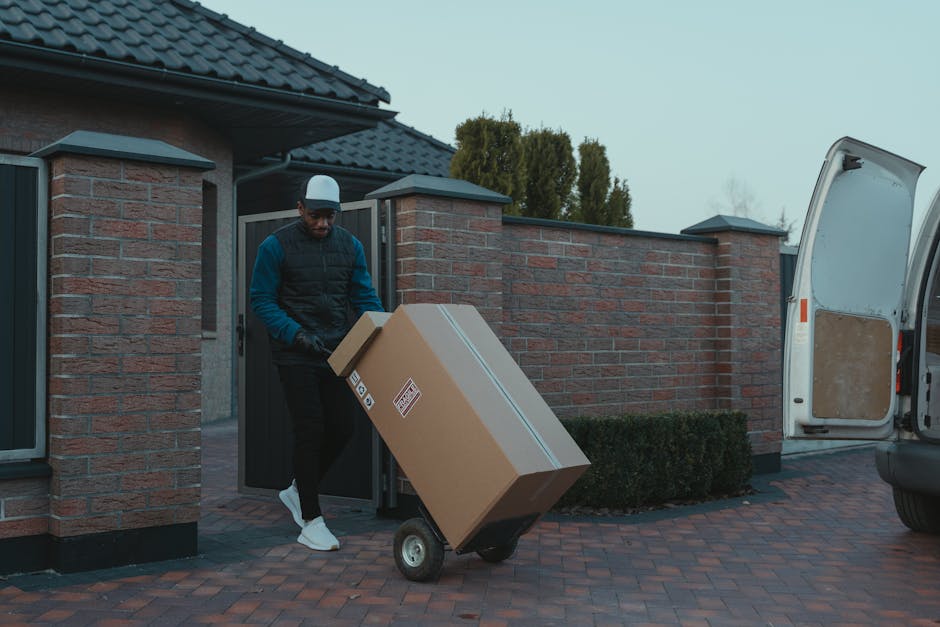
Man with van in Noak Hill for house moves, furniture collection and practical local transport

Our man with van service in Noak Hill is set up for customers who need a careful, practical way to move items without booking a large removal operation. It suits smaller home moves, single-room clearances, furniture collection, and straightforward transport between addresses. The focus is on getting belongings moved in an orderly way, with attention to access, loading, and sensible planning so the work feels manageable from the start.
We handle items that need more than a car but do not always justify a full-scale moving truck. That can include boxes, household furniture, white goods, office pieces, and mixed loads that benefit from a van and an extra pair of hands. Our removals service can cover broader moving needs, while this page explains the support most customers look for when they want a flexible local option in Noak Hill.
For a simple enquiry, it helps to think about what needs moving, where it is going, and whether there are any access details worth mentioning. Lifts, stairs, narrow entries, long carries, and heavy or awkward items can all affect the approach, so clear information makes it easier to plan the right vehicle and handling. If you are ready to compare options, you can request pricing and quotes once you have a basic list of what needs to go.
What the service covers
Our man with van work is built around flexible transport rather than one fixed type of move. A customer may only need a sofa taken to another property, a few boxes collected after a purchase, or several pieces moved from one home to another. The service is useful when the job is modest in volume, but still needs care, timing and secure loading. It can also suit regular transport tasks for household items or light commercial loads.
The practical value comes from keeping the process simple without making it casual. We look at the number of items, the size and weight of the load, and any need for help at either end. If items need to be separated by room, protected from scratching, or positioned so they can be unloaded in a useful order, that can be planned into the move. House movers often need exactly this kind of structured, smaller-scale support.
Because every load is different, the key is matching the van and labour to the work rather than forcing the job into a fixed package. Some moves are straightforward point-to-point transfers, while others involve a mixture of furniture, bags, and boxed contents that need careful stacking. We aim to keep the arrangement clear and practical, so you know how the move will be handled before anything is lifted.
House moves that suit a van-and-driver approach

Smaller house moves are often well suited to a man with van arrangement, especially where the load is limited and the route is local or regional. This can include studio flats, one-bedroom properties, partial moves, or situations where only selected furniture and belongings need transport. The service can be a sensible middle ground for customers who want help with lifting and carrying, but do not need the scale of a large removal crew.
Typical household items include beds, wardrobes, tables, chairs, televisions, small appliances, and packed cartons. Some customers want a single journey; others prefer items to be moved in a few organised loads. Home moves can benefit from this approach when the inventory is modest and access is manageable. It is often the organisation around the move, not the size of the van alone, that makes the biggest difference to how smoothly the day runs.
If there are awkward pieces, it helps to separate what can be carried together from what may need extra care. Mattresses, dismantled furniture, framed items, and fragile boxes may all need different handling. A well-planned van move reduces the chance of cramped stacking and makes unloading easier at the destination. For customers who are moving only a few essential items, that can keep the whole process more efficient and far less disruptive.
Furniture collection and item transport
Furniture collection is another common reason people book a man with van. A second-hand sofa, dining set, chest of drawers or office chair may be awkward to collect alone, especially if it needs lifting from a seller’s property, storage site, or retail location. Having transport and loading help in one service makes the arrangement more practical, particularly when the item is too large for a normal car boot or needs more than one person to handle safely.
This kind of job often depends on access at both ends. If the collection point has tight hallways, upper floors, or shared entrances, the load plan has to reflect that from the beginning. Furniture pick-up covers exactly this sort of transport need, where the main requirement is getting a specific item moved without damage or unnecessary fuss. The same applies when several smaller pieces are being collected together and need to be kept stable in transit.
It is worth thinking about protection as well as lifting. Blankets, straps, and sensible stacking can help keep items from sliding or rubbing during the journey, while careful placement in the van helps preserve finish and shape. Not every job needs complicated handling, but good basic practice matters when the load includes polished surfaces, glass, or furniture with loose parts. That attention to detail is what makes a simple collection more dependable.
Packing, loading and sensible preparation
Some customers already have everything ready to go; others need help bringing the job into a transport-friendly state. Packing and unpacking can be useful where boxes are not yet sealed, where furniture has been dismantled, or where items need to be grouped by room or priority. Packing and unpacking services are especially relevant when a move includes breakables, mixed household goods, or time-sensitive belongings that should be arranged carefully before loading.
Good preparation does not need to be complicated, but it does need to be consistent. Labels, grouped bags, and clearly separated bulky items can make loading faster and unloading more logical. If there are fragile items, they should be packed so they do not move around once the van is in motion. Clear organisation is especially helpful where more than one stop is involved or where the destination has limited space to unload into.
For many jobs, the most useful information is a straightforward list rather than a long explanation. A few notes about quantities, access, heavy items and preferred timing can be enough to shape the plan. When customers know what to expect, the move tends to feel less rushed and easier to complete in order. That is true whether the work is a one-off collection or part of a broader house move.
Business moves and practical commercial transport

Although many enquiries are domestic, man with van transport can also support small commercial moves. Offices, studios, workshops and small retail spaces sometimes need desks, filing cabinets, chairs, archive boxes or stock moved without the disruption of a large-scale relocation. The emphasis stays on practical transport, handled in a way that suits the quantity and nature of the load rather than forcing businesses into an oversized solution.
Office removals are often about maintaining order while equipment is moved safely. Cables, monitors, task chairs, stationery and documents all need a sensible loading sequence, especially if different items are destined for different rooms or sites. A van-based approach can be useful when the move is compact, when access is limited, or when the business needs a measured handover between locations rather than a single large clear-out.
Commercial customers may also use the service for scheduled deliveries, internal transfers, or moving surplus furniture to storage. In those cases, the important points are still the same: what is being moved, what can be handled together, and whether the access points are straightforward. When the work is planned around the actual inventory, it is easier to avoid delays and keep the load secure throughout the journey.
About Noak Hill
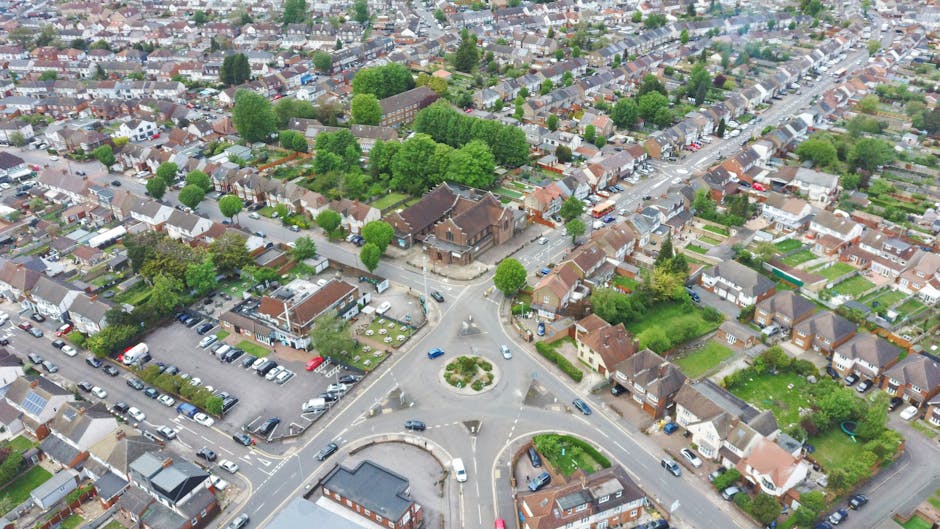
Noak Hill is a settlement in the northeastern part of the London Borough of Havering, on the edge of Greater London where suburban development meets more open land. It is closely associated with the wider Romford area, yet it retains a distinct character through its village-like centre, lanes and green surroundings. The area lies near the parish and district history of Havering-atte-Bower and the former rural edge of Essex, so its identity has been shaped by the gradual transition from countryside to suburb over time. Noak Hill is also linked with the broader landscape of Havering Country Park and the network of public footpaths and open spaces that spread east and north of the urban core. St. Neot’s Church, a notable local landmark, reflects the area’s long-standing community presence, while nearby roads connect the settlement to larger residential and commercial centres without removing its more secluded feel. Like many places on London’s outer edge, it combines older lanes, newer housing and open land in a way that gives it a quieter atmosphere than the denser districts closer to central Romford. The result is a locality that feels both connected and separate, with the surrounding countryside and suburban expansion each leaving a visible mark on the landscape.
Planning the move properly
When a man with van job is booked well, the day tends to run more smoothly. That usually starts with a clear understanding of the load: how many items there are, whether they are boxed or loose, and whether any pieces are especially heavy, delicate or awkward. It also helps to know if the move is from ground floor to ground floor, or whether stairs, lifts or tight turns are involved. These details affect how the work is organised and how much handling is needed at each stage.
Another useful point is access at the collection and delivery addresses. A van may be easy to park at one end but more difficult at the other, so the route from vehicle to doorway matters just as much as the journey itself. If you have items that should not be stacked, should be kept upright, or need to travel separately, mention that early. Removal services can be shaped around these practical points rather than handled as a one-size-fits-all job.
Customers often find it helpful to group belongings before moving day, but the aim is not perfection; it is clarity. A modest amount of preparation can reduce handling time and make the load easier to manage once it reaches the van. Where the move involves several rooms, a simple room-by-room order can help with unloading at the destination and make the handover feel much more controlled.
Delivery, collection and smaller clearances

Not every enquiry is a home move. Some customers need a reliable way to move individual purchases, surplus furniture, or items that are being passed on rather than relocated. A man with van arrangement can suit local collection and delivery work because it combines transport with lifting support, which is often the part people need most when an item is too large or heavy for a normal vehicle. It can also be helpful where the timing needs to be more exact than a casual lift from a friend.
Smaller clearances may also fit the service where the load is limited and the items are straightforward to remove. That might involve unwanted furniture, boxed household goods, or a few pieces that need to be taken away together. Commercial moves and smaller removals can overlap here, especially when a business or household needs a practical solution for surplus items that still deserve careful handling rather than hurried loading.
The best results usually come from keeping the load organised from the outset. If there are items that can be grouped by room, size or fragility, that helps with both stacking and unloading. It also makes it easier to decide whether the job is a single trip or whether a second load would be more sensible. That judgement depends on the actual items, not on a preset formula, which is why the service stays flexible.
How the work is arranged
There are a few simple factors that normally shape a man with van booking. First is the volume of goods: a few boxes need a different approach from a load of furniture and appliances. Second is access, because narrow stairs, limited parking, or long walks from door to vehicle all affect the time and handling involved. Third is the nature of the items themselves, since heavy, fragile or awkward pieces may need extra care or a different loading order.
Keeping the enquiry specific makes it easier to match the service to the task. A short list of items, approximate sizes, collection and delivery points, and any access concerns is often enough. If packing help or dismantling is needed, it should be mentioned alongside the main load so the arrangement reflects the full job rather than just the transport part. That way the move can be planned with fewer assumptions and less back-and-forth later on.
If you are comparing options, think about the kind of support that actually matters: loading help, item protection, route simplicity, or flexibility with a small mixed load. Those practical needs should guide the choice more than a general label. When you are ready, you can make an enquiry and describe the work in plain terms so the next step is easy to arrange.
Further service options
Some customers need a van-based move that is very close to a standard house removal, while others need a simpler collection-only trip. That is why it helps to look at the wider service range as connected pieces rather than separate worlds. Man and van removals may suit people who want a combined lifting and transport service for a modest load, especially when the work includes both furniture and boxed belongings. The idea is to keep the move suitably scaled to the actual job.
If the task is more specific, other pages can help match the service to the requirement. Moving van and moving truck pages are useful where the vehicle type is the key consideration, while removals van may fit customers looking for a vehicle-led service with straightforward loading. These options are not about exaggerating the size of the move; they are about identifying the right practical setup for the items in front of you.
It is also sensible to think about what you do not need. Some jobs simply need transport and a careful pair of hands, not a large team or complicated scheduling. A small, direct arrangement can be more appropriate when the volume is moderate and the route is uncomplicated. That is one reason a man with van service remains a useful choice for both households and smaller businesses.
Requesting a quotation

For a quotation, the clearest starting point is usually a brief description of the load and the move. Tell us what needs to be transported, where it is going, and whether there are stairs, access restrictions or especially bulky pieces to consider. If you already know that some items need careful protection or dismantling, include that too. Useful detail saves time and helps the arrangement reflect the actual work rather than a rough guess.
It can also help to say whether you are arranging a one-off collection, a small house move, or a business transport job. Those are similar in principle, but they may need different vehicle space, loading time, or handling priorities. pricing and quotes would normally be the next step for many customers, although the most important thing is to give enough information for the work to be assessed properly and honestly.
If you are ready to talk through the move, send the basic details and ask for a quote. We will look at the practical shape of the job and respond with a suitable arrangement for the van-based transport you need in Noak Hill. For many customers, that is the simplest way to move forward. Plain details, clear access, and a sensible plan are usually enough to get started.