Last-mile moves to Upminster Station from Noak Hill
Posted on 15/05/2026
Last-mile moves to Upminster Station from Noak Hill: a practical local guide
If you are planning Last-mile moves to Upminster Station from Noak Hill, the job usually looks simpler on paper than it feels on moving day. The route is not the only issue. Timing, parking, stairs, awkward items, station access, and the pressure of making a train or meeting a driver all come into play. A small move can become surprisingly fiddly, especially if you are carrying boxes through a tight doorway at 8:30 in the morning. Been there, seen it, sorted it.
This guide breaks the process down in plain English. You will find out what last-mile moving actually means, how it works in practice, who it suits, where the headaches usually appear, and how to reduce delays. We will also cover sensible packing and lifting advice, a real checklist, and the kinds of local support that can make the move feel far less chaotic. If you are comparing options, you may also find our services overview useful, along with the page for man and van support in Noak Hill when you need a flexible transport solution.
Expert summary: Last-mile moves are all about the short final stretch, but that stretch often carries the most risk for delay, damage, or stress. The winning formula is simple: pack lighter, plan access properly, protect fragile items, and keep timing tight.
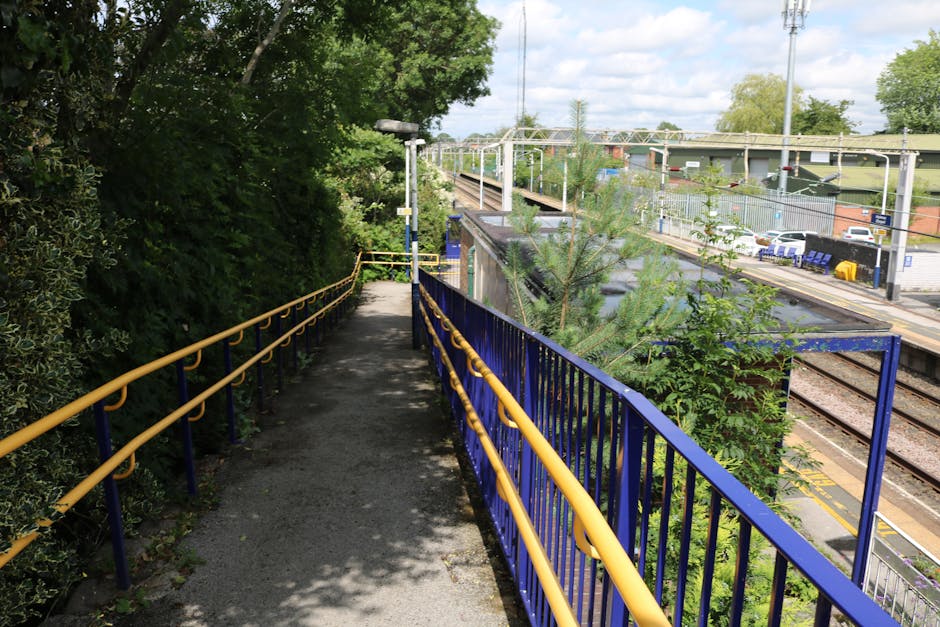
Why Last-mile moves to Upminster Station from Noak Hill Matters
The last mile is the stretch where the move stops being theoretical and becomes physical. You can have everything planned neatly on a spreadsheet, but if the final handoff to Upminster Station is awkward, the whole thing feels messy. That is especially true for short-notice travel, student moves, work commutes, rental handovers, or small-load removals where you only need to get a few essential items from A to B.
From Noak Hill, that final leg can matter for three reasons. First, timing: station access is often tied to train departures, collection windows, or building rules. Second, access: not every property or station-side drop-off point is easy to reach with larger items. Third, stress: a short route still demands coordination, and the closer you get to the deadline, the more every minute counts. Truth be told, that is where many people lose time.
There is also a practical local angle. If your move links to a journey via Upminster Station, you may be dealing with luggage, student belongings, office files, or a few bulky items that need careful handling. A full house removal is a different beast. This is the smaller, sharper end of the moving spectrum, and it rewards planning. For people trying to declutter before the move, our guide to pre-move decluttering essentials is a smart place to start.
And one thing often gets overlooked: when a move is short, people assume it can be improvised. That is usually where the snag appears. A short route does not remove the need for good lifting, secure packing, or clear parking arrangements. It just compresses the timeline.
How Last-mile moves to Upminster Station from Noak Hill Works
At its simplest, a last-mile move is the final transfer of items from your starting point in Noak Hill to the destination near or at Upminster Station. That may mean a van drops items close to the station, or it may mean items are handed over at a pre-arranged point for onward travel. The job is often built around efficiency rather than volume.
Most last-mile moves follow a similar pattern:
- Identify the load. Work out exactly what is moving. One suitcase, three boxes, a bike, a monitor, and a lamp are very different from a roomful of furniture.
- Check the access. Look at driveway space, staircases, lifting points, loading restrictions, and whether a van can stop safely.
- Choose the right vehicle. A small van or removal van in Noak Hill may be enough for compact loads; larger items may need a more organised team approach.
- Pack for the journey. Fragile, awkward, or valuable items should be wrapped and boxed properly, not just thrown in with the rest.
- Load in the right order. Heavy items should sit securely, and delicate pieces should be protected from shifting.
- Confirm the handoff. If someone is meeting you at or near the station, agree the exact location, time, and backup contact number.
In practice, the job can feel a bit like a relay race. One person handles packing, another handles transport, and the final handoff needs to happen cleanly. Miss the changeover, and suddenly you are standing outside with a box of books, wondering where the van has gone. Not ideal.
If you are moving multiple items, the process becomes smoother when you use proper packing materials. Our page on packing and boxes in Noak Hill can help you think through what to use before the move day arrives.
Key Benefits and Practical Advantages
There are several reasons people choose a structured last-mile move rather than trying to do everything themselves. The benefits are not just about convenience. They are about reducing friction where it matters most.
- Better timing control: You can align collection and arrival times around train departures, key handovers, or building access windows.
- Less strain: Smaller, well-planned loads mean fewer heavy carries and fewer chances of a rushed lift.
- Lower damage risk: Proper protection, secure stacking, and careful transport are far safer than a hurried boot-load.
- More flexibility: You can move a few essential items without booking a full-scale house move.
- Reduced stress: Knowing the final leg is handled properly makes the whole day feel calmer. Sounds simple, but it matters.
There is also a subtle benefit that people often notice only afterwards: a good last-mile move makes your arrival feel organised. You step off the train, collect what you need, and the rest of the day can breathe a little. That is especially useful for students, commuters, or anyone moving into a flat with narrow stair access. If that sounds familiar, you may want to look at our flat removals in Noak Hill page for broader support options.
For families or people juggling multiple jobs, a last-mile move can also be a sensible bridge between storage and settlement. It keeps essential items moving without forcing every possession into one hectic journey.
Who This Is For and When It Makes Sense
Last-mile moves to Upminster Station from Noak Hill make sense for people who need a focused, local, time-sensitive transport solution. The profile is broader than you might think.
- Students: moving to accommodation, returning home, or carrying essentials between term-time addresses.
- Commuters: shifting work equipment, luggage, or household items to match travel plans.
- Tenants: needing a short transfer around a rental handover or inventory appointment.
- Small business owners: transporting documents, displays, or compact stock items.
- Households: moving a few key pieces instead of booking a full service.
It also makes sense when you have a narrow timing window. For example, if you are leaving Noak Hill in the morning and need items at Upminster Station for a midday connection, the extra coordination is worth doing properly. The move may be small, but the consequences of a late arrival can be annoying. And nobody needs that before coffee.
Some people also use last-mile help as a bridge during a larger move. Maybe your main furniture is going into storage, but you want a bag, a monitor, and a couple of boxes delivered first. In those cases, a broader removals service in Noak Hill can be adapted to suit the final handoff.
Step-by-Step Guidance
If you want the move to feel controlled rather than rushed, use a simple process. Nothing fancy. Just a clean sequence.
1. Make a precise item list
Write down everything that needs to travel. Be specific. "Kitchen stuff" is not enough. "2 boxes of cookware, 1 kettle, 1 bag of utensils, 1 small toaster" is much better. This makes loading, packing, and pricing far easier to estimate.
2. Measure the awkward items
If anything is long, tall, heavy, or fragile, measure it. A narrow hallway, a sharp turn, or a station-side path can turn a simple item into a problem. A mattress, for example, benefits from planned handling, and our article on moving a bed and mattress safely has practical tips that translate well here too.
3. Pack by priority, not by room
For last-mile moves, priority matters more than neatness. Put essentials in one clearly marked box or bag. Keep chargers, documents, ID, keys, and tickets separate. The box you need first should not end up at the bottom of the stack. That happens more often than people admit.
4. Confirm travel and parking details
Check where the vehicle can stop, how close it can get to the loading point, and whether there are restrictions near the station. This is one of those details that looks boring until it saves you fifteen minutes and a mild headache.
5. Protect fragile and high-value items
Use blankets, bubble wrap, strong tape, and sturdy cartons. If the load includes special items, such as instruments, look at specialist handling guidance. For instance, our piano moving guide explains why careful wrapping and positioning matter so much for delicate gear.
6. Load strategically
Heavy items should go in first and sit low. Lighter pieces should fill the gaps. Anything fragile should not be crushed into a corner. Sounds obvious, but under time pressure people do odd things. There is always that one box that gets treated like a football.
7. Do a final check before departure
Walk back through the collection area. Check cupboards, sockets, under beds, and behind doors. Then check the van. Then check your pockets. Then check your pockets again. A surprisingly large number of moving-day problems are just forgotten small things.
Expert Tips for Better Results
A few field-tested habits can make a big difference. These are the kinds of things that save time because they prevent second-guessing later.
- Use colour coding: one colour for urgent items, another for fragile boxes, another for storage. Fast to understand, easy to follow.
- Keep a slim essentials kit: wipes, tape, marker pen, charger, water, and a small snack. A moving day can drag longer than planned.
- Leave a buffer: if your station handoff is at 11:00, aim to be ready by 10:30. Traffic, loading delays, and the odd locked gate can all chew up time.
- Choose the right lifting technique: bend at the knees, keep the load close, avoid twisting. If you want a deeper look at safe manual handling, see our guide on kinetic lifting and self-reliance in heavy lifting.
- Use storage if needed: if the timing is awkward, a short storage stop can simplify the transfer. It is not failure, it is logistics.
One more small thing: do not overfill boxes. It is tempting. It always is. But a box that cannot be lifted safely is not efficient, it is trouble with handles.
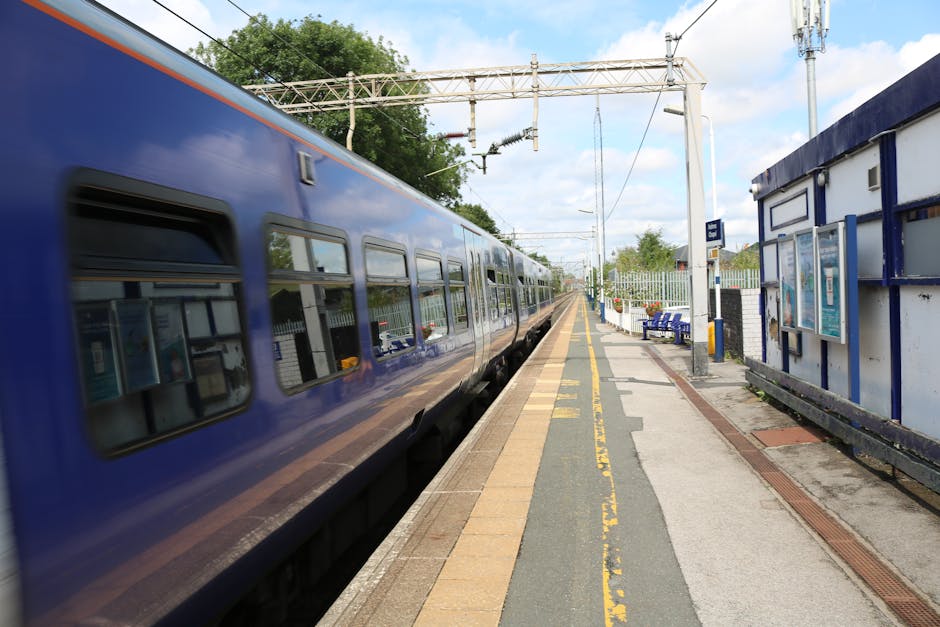
Common Mistakes to Avoid
Most last-mile moving problems are preventable. The same mistakes appear again and again, usually because the move looks "small" and people relax a bit too much.
Underestimating access
Parking, steps, lifts, and platform access all take time. If the destination near Upminster Station is busier than expected, the whole schedule can slip.
Packing too late
Last-minute packing creates a chain reaction: poorer organisation, weaker protection, and more chance of forgetting essentials. If you need a proper packing rhythm, our packing checklist for moving house is a handy reference, even for smaller moves.
Ignoring item sensitivity
A laptop, a framed print, a lamp, or a musical instrument can be damaged in ways you only notice later. Not every item needs heroic wrapping, but some do need a bit of respect.
Skipping the route plan
When a move depends on station timing, route planning is not optional. If you want a local perspective on access and practical timing, our article on moving from Noak Hill Village: access, timing and fees is worth a read.
Trying to do too much alone
Some jobs are fine solo. Others are just easier with help. If you are carrying a sofa, a freezer, or anything that makes your back tighten just looking at it, think carefully before going it alone. The same goes for mixed loads with stairs or tight turns.
Tools, Resources and Recommendations
The right tools do not just make a move easier. They reduce damage, speed up loading, and help you keep a clear head. A few well-chosen items go a long way.
| Tool or Resource | Best Use | Why It Helps |
|---|---|---|
| Strong boxes and tape | General packing | Keeps items secure and easier to stack |
| Furniture blankets | Bulkier items | Reduces scratches and impact marks |
| Marker pens and labels | Organisation | Makes fast handoffs and unpacking simpler |
| Straps or ties | Vehicle loading | Stops items shifting during transit |
| Trolley or sack barrow | Heavy or awkward items | Removes strain and improves control |
| Storage option | Schedule gaps | Gives you flexibility when timings do not line up |
For people doing a move with furniture or mixed household contents, a service such as furniture removals in Noak Hill can be especially useful if you want careful handling without overcomplicating the job. If you are not sure how much support you need, the broader removal services page can help you compare options.
If you are cost-conscious, it is also worth checking pricing and quotes early. That way you can balance convenience against budget before the day arrives and before the panic-set-in phase. Which, let's face it, is always the same hour.
Law, Compliance, Standards, or Best Practice
For local moves of this kind, the main compliance concerns are usually practical rather than complex. You are generally looking at safe loading, responsible driving, proper vehicle use, and respecting access rules around properties and station areas.
In the UK, moving work should be carried out with care for health and safety, particularly where lifting, carrying, and manual handling are involved. That means avoiding unsafe loads, using suitable equipment where needed, and not asking people to lift more than they can manage comfortably. A sensible provider should also have clear policies around safety and insurance. Our pages on health and safety and insurance and safety set out the kind of standards customers should expect.
There is also a trust side to this. You want to know who is handling your items, how payments are processed, and what happens if there is a problem. That is why it helps to review payment and security, terms and conditions, and the complaints procedure before booking. Nothing dramatic. Just sensible due diligence.
Environmental best practice can matter too. Reusing boxes, avoiding unnecessary journeys, and sorting items for recycling where possible are all small but worthwhile habits. If that is important to you, see our recycling and sustainability information.
Options, Methods, or Comparison Table
There is no single right way to handle a last-mile move. The best option depends on how much you are moving, how quickly it needs to happen, and how awkward the items are.
| Method | Best For | Pros | Trade-Offs |
|---|---|---|---|
| DIY with a car | Very small loads | Cheap, simple, flexible | Limited space, more trips, higher stress |
| Man and van | Small to medium loads | Fast, practical, good for local handoffs | Needs clear timing and access planning |
| Full removal service | Mixed or bulky loads | More handling support, less physical effort | Usually more than you need for a tiny last-mile job |
| Storage-to-station transfer | Staggered moves | Good for awkward schedules and split collections | Requires extra coordination |
For many readers, the sweet spot is a man with a van in Noak Hill arrangement. It is often the right blend of flexibility and control for short, local transfers. If you are moving on a tight deadline, the same-day option can also be useful, and our same-day removals page is there for those more hurried situations.
Case Study or Real-World Example
Imagine a student in Noak Hill needing to get two suitcases, three boxes, a desk lamp, a bedding roll, and a laptop bag to Upminster Station before a midday train. Not a massive move. But still enough to go wrong if it is left loose.
They start by listing the items the night before. One box is labelled "first night essentials," which includes charger, toiletries, medication, socks, and documents. The fragile box gets bubble wrap and is loaded last so it is not crushed. A small van is booked with a clear pickup time and a separate note about access at both ends. The driver knows exactly what is being moved. No guesswork.
On the day, the move is done in one clean trip. The boxes are stacked in the right order, the laptop travels in a padded bag, and the student reaches the station without sweating through a minor catastrophe. Not glamorous, but effective. And honestly, that is what good moving looks like.
If the same student had tried to "just wing it," there is a fair chance they would have been repacking on the pavement. Nobody wants that. If you are carrying study materials or a few compact items like this, our student removals in Noak Hill page may be especially relevant.
Practical Checklist
Use this before you move. It is the kind of list that saves headaches later.
- Confirm the exact pickup and drop-off times.
- Check whether a van can stop safely at both ends.
- Measure any awkward items, especially long or heavy ones.
- Pack essentials separately and label them clearly.
- Wrap fragile items and protect corners or screens.
- Keep ID, tickets, keys, and payment details to hand.
- Use sturdy boxes and do not overfill them.
- Make sure someone at the destination knows you are coming.
- Leave a buffer for traffic, lifts, stairs, or last-minute delays.
- Do one final room-by-room and vehicle check before leaving.
Quick reminder: if the move includes large household items, separate storage, or anything unusually heavy, it is worth asking for tailored help rather than forcing it into a standard plan.
Conclusion
Last-mile moves to Upminster Station from Noak Hill are small in scale, but they are not small in importance. The final stretch is where timing, access, packing, and handling all meet. Get those pieces right and the move feels calm, efficient, and strangely straightforward. Miss them, and even a short trip can become a scramble.
The good news is that this kind of move is very manageable when you plan it properly. Keep the load realistic, protect the fragile bits, confirm the access details, and choose a transport method that fits the job rather than the other way round. A little structure goes a long way here. Really, it does.
If you are comparing options or need support with a local transfer, we can help you find the right moving setup for your situation and budget.
Get a free quote today and see how much you can save.